Corneal OCT: a revolution in corneal imaging for fast, accurate diagnosis
Corneal OCT (optical coherence tomography) is a non-invasive imaging test that provides highly accurate cross-sectional images of the cornea. Used for many years in ophthalmology, this technique provides detailed information on the structure and thickness of the various corneal layers, contributing to more accurate diagnosis and monitoring of numerous eye pathologies.
Examination principle
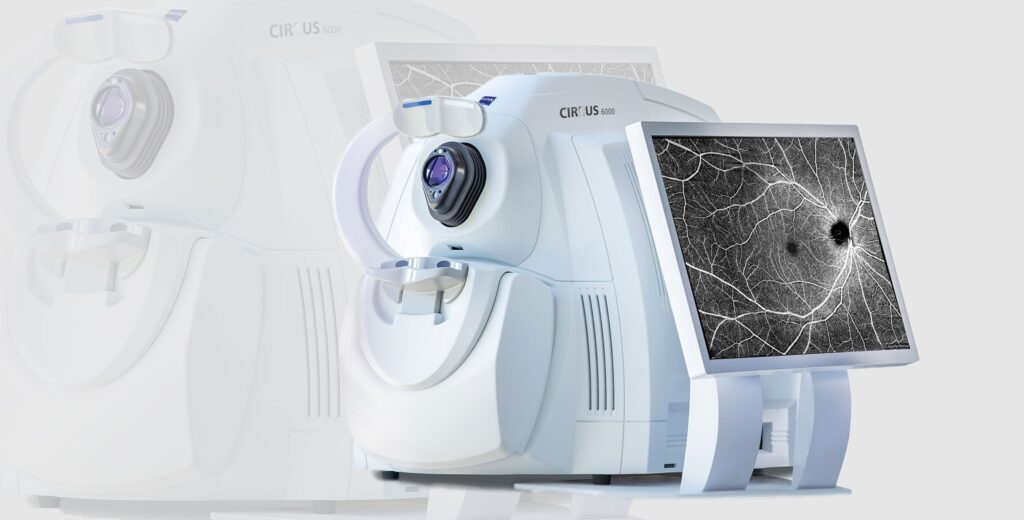
OCT uses near-infrared light to produce high-resolution images of eye tissue. In just a few seconds, it captures very thin cross-sections of the cornea, providing an almost microscopic view. This examination is painless, fast and requires no direct contact with the eye, making it particularly comfortable for the patient.
Indications for corneal OCT
Corneal OCT is recommended for the evaluation of conditions such as keratoconus, corneal dystrophies and opacities, as well as for preoperative assessment and follow-up after refractive surgery or corneal transplantation. It can also be used to analyze corneal thickness (pachymetry) and the internal topography of the layers, and to detect anomalies invisible during a conventional examination.
Clinical benefits
Thanks to its high precision, corneal OCT improves early detection of pathologies, facilitates surgical planning, and helps monitor treatment efficacy. It enables visualization of the entire cornea, including deep layers such as the endothelium, contributing to personalized treatment.
Examination procedure
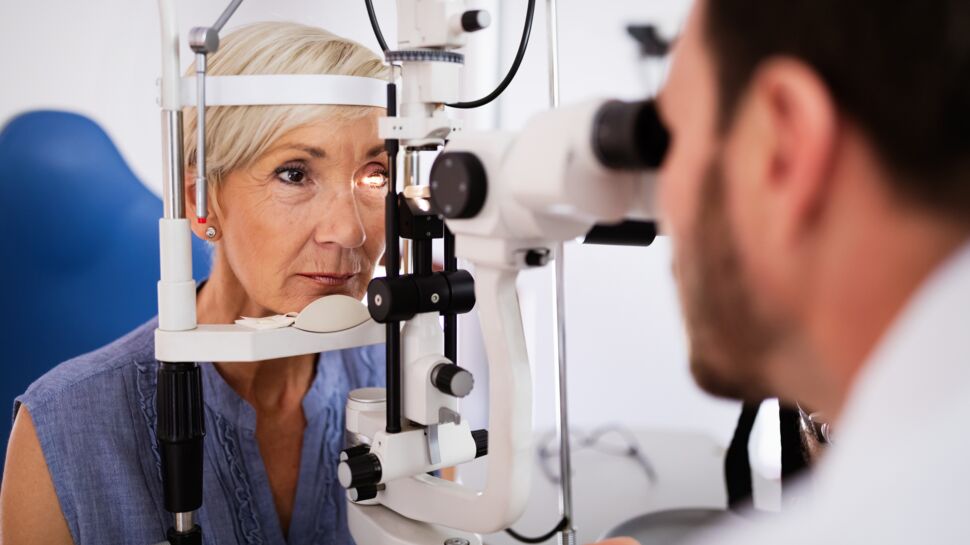
The examination takes place in the consultation room, with the patient seated in front of the device and invited to stare at a luminous target. In just a few seconds, several images are captured without pain or injection. No special preparation is required, and results are generally available immediately.
Corneal OCT has become an indispensable tool in modern ophthalmology. Its ability to provide detailed and accurate images of the cornea contributes significantly to improving the diagnosis, prevention and treatment of corneal diseases, while guaranteeing a better quality of care for patients.