


Phakic implants for vision correction
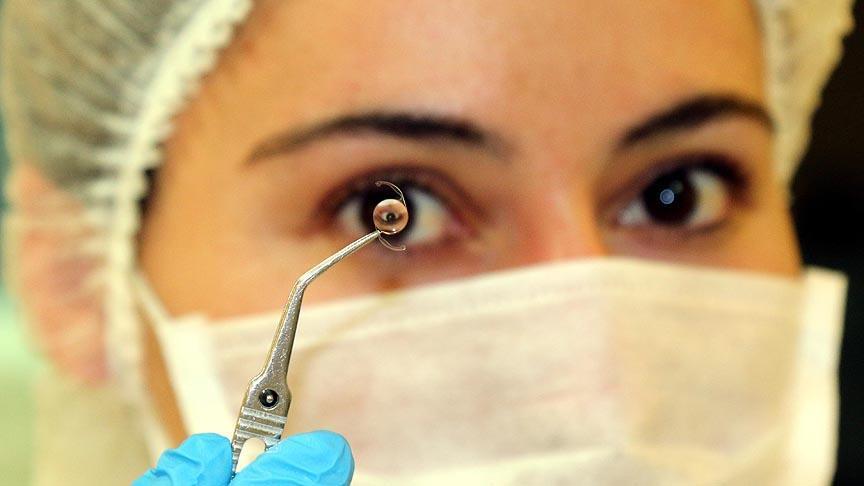
Phakes: an alternative to laser surgery for correcting eyesight
The correction of visual disorders such as myopia, hyperopia or astigmatism is no longer limited to glasses, contact lenses or laser procedures. A technique increasingly used in certain special cases is the implantation of an intraocular lens known as a phake. Less well known to the general public, this solution offers specific advantages for certain patient profiles.
What is a phake implant?
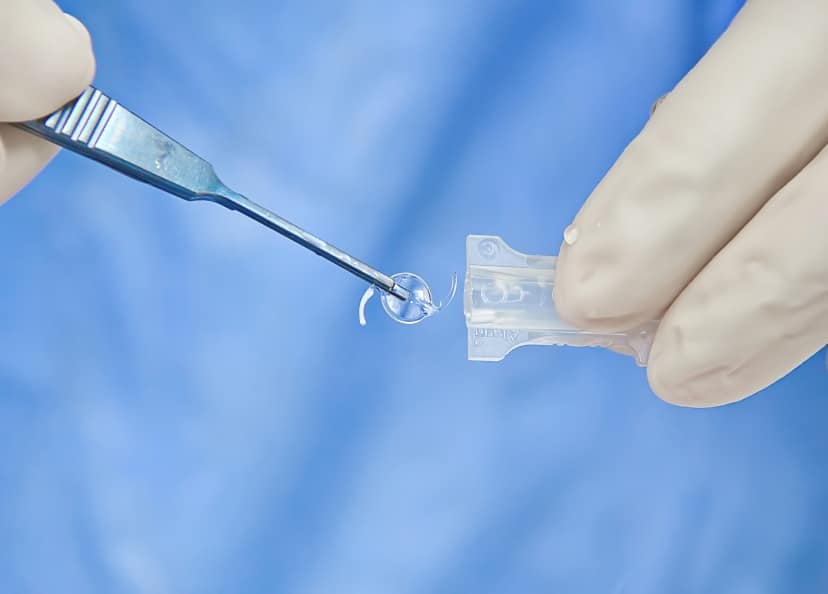
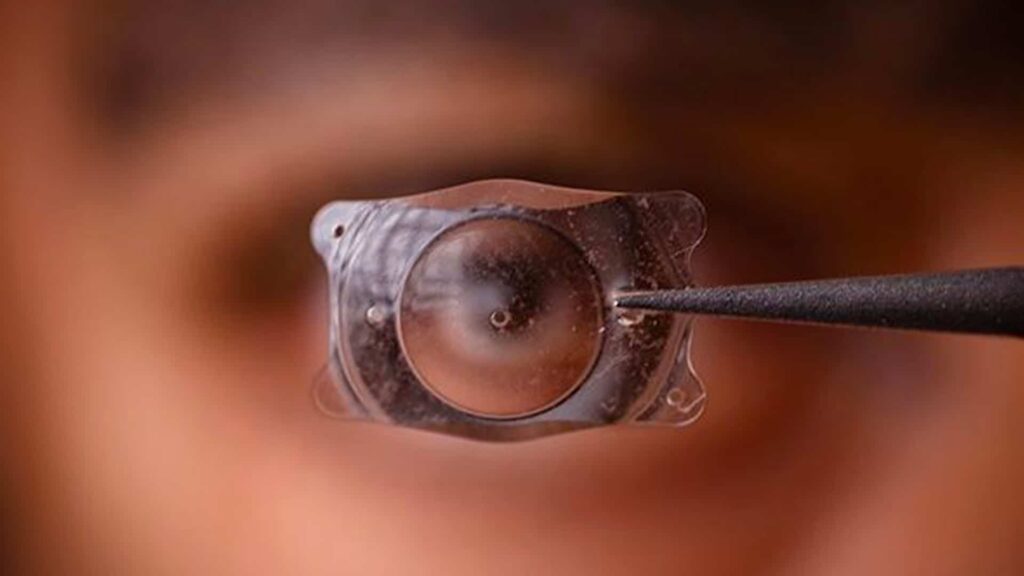
A phake implant is a synthetic lens that is inserted into the eye. inside the eyewhile preserving the natural crystalline lens. Unlike cataract surgery (where the lens is replaced), here the lens remains intact, enabling the eye to retain its natural ability to accommodate. These implants are designed to correct major refractive errors that techniques such as LASIK cannot always treat effectively.
Who are they recommended for?
Phake implants are generally offered to :
Aged between 21 and 45,
Whose vision has been stable for at least a year,
Having a cornea too thin for laser surgery,
With severe myopia or hyperopia, sometimes beyond laser-correctable limits.
They are not recommended in cases of glaucoma, cataracts or other progressive eye diseases.
How does the procedure work?
Implantation is an outpatient procedure performed under local anesthetic. The surgeon inserts the phake lens either between the iris and the lens (ICL-type implants), or in front of the iris (anterior chamber implants). The operation generally takes less than 30 minutes, and visual recovery is often rapid, sometimes as early as the next day.
What are the advantages?
Reversibility Unlike laser treatment, the implant can be removed or replaced.
High visual quality Patients often report sharp, high-contrast vision, even with strong corrections.
Corneal preservation no corneal cutting or abrasion is required.
Are there any risks?
Like all surgery, phake implantation carries risks: infection, increased intraocular pressure, inflammation and, in the long term, damage to the corneal endothelium. That's why a full assessment is essential before any decision is taken.
Phakic implants represent a major advance in the correction of vision disorders, particularly for patients who cannot benefit from laser surgery. Although this technique is safe and effective in many cases, it requires a precise indication, rigorous follow-up and personalized assessment by a specialized ophthalmologist.
Innovations and future prospects
Phakic implant technology continues to evolve, with the emergence of new-generation lenses that are thinner, more flexible and better tolerated by the eye. Some models now incorporate UV filters or are designed to be customized to the exact morphology of each eye thanks to 3D imaging. In the future, research is turning towards intelligent implants capable of adapting to light or even correcting presbyopia. These advances offer the prospect of ever safer and more precise solutions to improve the quality of life of patients with severe visual disorders.


